
Uncategorized
Cali Packs vs. Traditional Packaging: A Comparative Analysis
Jan
Packaging is doing too much work in 2026
Cali Packs have moved from niche novelty into a default look for a lot of UK CBD packaging. You see the style in Manchester. You see it in Camden. You even see it on Telegram listings.
This is not happening by accident. Packaging design still shapes purchase intent. Ipsos research that gets quoted all over the trade press puts that influence at 72%. Gift buying sits at 81%. Source
Online retail makes the effect louder. The Dotcom Distribution packaging survey is still a go to reference in 2026. It reports that almost 40% of online shoppers have shared product photos or videos on social media. Source
Packaging sells the first unit.
What people mean when they say “Cali Packs”
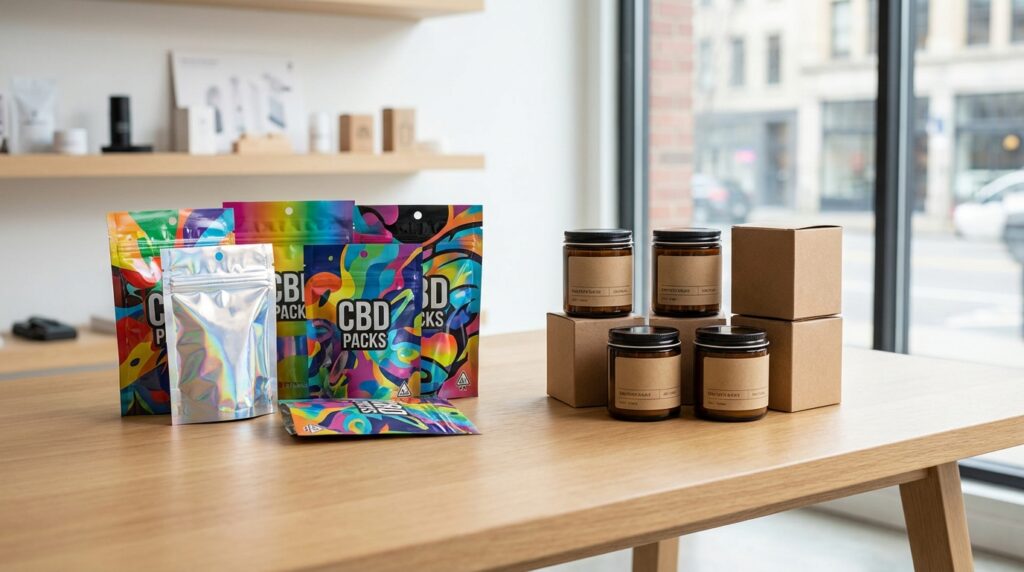
In the UK conversation, Cali Packs usually means California style mylar pouches with heavy branding. Think bold colours. Think cartoon graphics. Think strain names that read like a dessert menu.
Calipack Pro frames Cali packs as premium packs built around shelf impact plus function. They lean on freshness, odour control, resealability, child resistant closures, plus sustainability claims depending on the material. Source
CaliPackz is more direct about the format. They describe custom printed die cut mylar bags in common weights such as 1g, 3.5g, 7g, 28g. They also push smell proof and child proof features. Source
I treat “Cali Pack” as a look first. The material matters. The vibe matters more.
Traditional packaging is boring for a reason
Traditional packaging in this category is not glamorous. It’s grip seal bags. It’s plain foil stand up pouches. It’s glass jars with a sticker. It’s a folding carton that looks like skincare.
The price gap is the blunt argument. A pack of 1,000 clear grip seal bags sells at £12.95 from Pronto Direct. That’s about £0.013 each at retail. Source
A plain foil stand up pouch from Polypouch lists at £0.18 per unit. It’s designed for heat sealing. It’s not pretending to be culture. Source
Glass jars stay popular because they look legitimate. Ampulla lists a 60ml clear glass ointment jar at £0.95 each on small quantities. That’s before lids. Source
Cost is where the Cali Pack story gets messy
Cali style mylar is not automatically expensive. Calipack Pro lists multiple “best selling” mylar bags at £0.25 per unit. They describe them as light resistant. Smell proof. Heat sealable. Source
That price is close to plain foil pouches once you shop around. It’s nowhere near the cost of a glass jar. This is why the format has spread so fast across small UK operators.
The hidden cost is design discipline. Bad artwork looks worse on a glossy pouch. Cheap finishes make the whole thing look like counterfeit theatre.
The other hidden cost is waste. More on that later.
Freshness, odour, light: the practical comparison
Cali packs trade on function as much as hype. Mylar style laminates can offer strong barrier performance. Light gets blocked. Moisture moves slower. Odour has fewer routes out.
A grip seal polythene bag is the opposite. It’s fine for screws. It’s fine for cables. It’s a weak choice for anything aromatic. It also screams “back room” in a retail setting.
Plain foil pouches sit in the middle. They can be heat sealed for tamper evidence. They can also look sterile. That’s not always a problem if the brand wants a pharmacy feel.
Glass jars are excellent for structure. They protect against crushing. They can also be poor at odour containment if the closure is cheap. People forget that part.
Brand impact: Cali Packs win the first glance
Accio refreshed its Cali packs trend scan on 8 January 2026. Their summary is basically the story you see on UK shelves. Packaging is being treated as brand identity. It’s also being treated as consumer experience. Source
Accio also calls out storytelling through design. They push QR codes. They mention NFC chips for authenticity. That’s the smart end of the market. It’s not the side pushing meme fonts.
This is where I get sceptical. Too many packs borrow California signals without any actual brand asset behind it. The result looks like cosplay. Retailers notice. Customers notice too.
If the pack design can’t survive a plain white background on a Shopify product page then the brand doesn’t have a design. It has noise.
Compliance pressure is rising in 2026
In regulated markets, child resistant closures and tamper evidence are not optional. Cali pack suppliers talk about child resistant zips for a reason. CaliPackz also flags child proof features as part of the appeal. Source
UK operators sit in a complicated place because CBD rules are not the same as recreational cannabis rules. Brands still borrow the compliance aesthetic because it signals safety. That can backfire if the label content is sloppy.
Calipack Pro leans hard on “industry standards” language plus features like airtight seals and UV protection across their packaging range. That’s the right direction for anyone selling a wellness product. Source
Design space matters. If you fill every panel with artwork, you leave no space for ingredients, batch info, warnings, contact details, barcodes. Retail buyers hate that.
Sustainability: the part nobody wants on the front panel
Multi layer laminates are difficult to recycle through normal household systems. That’s the uncomfortable truth behind a lot of “premium pouch” formats. The pack can be technically recyclable in theory. The real world route is limited.
The UK Government packaging waste dataset available in 2026 puts overall packaging recycling at 64.1% under one method. A second method shows 75.2%. Plastic sits at 53.7%. Source
Packaging policy is also tightening. Extended Producer Responsibility rules are now in force from 1 January 2026. PackUK base fees list plastic at £423 per tonne. Fibre based composite sits at £461 per tonne. Paper and card sits at £196 per tonne. Source
Academic work hosted on DigitalCommons also keeps pointing at material trade offs in packaging design. If you want a deeper sustainability rabbit hole, start here. Source
So which should you choose in 2026?
My stance is simple. Cali Packs are a weapon for attention. Traditional packaging is a weapon for trust. Most brands need both.
If you’re selling a product that lives in repeat purchase, go conservative. If you’re selling drops, collabs, limited runs, go louder. Just keep the back panel readable.
- Streetwear CBD drop: Cali style pouch. Tight copy. QR to lab report
- Pharmacy adjacent positioning: glass jar plus restrained label
- Budget multipacks: plain foil pouches with a clean sticker
- Wholesale to independents: cartons that stack without drama
Custom cartons remain underrated. JamJar Print lists 1,000 end tuck cartons at £453 on a common size. That’s about £0.45 each before shipping. Source
| Format | Typical unit cost signals in the UK | Protection | Retail perception | Where it fits |
|---|---|---|---|---|
| Cali style printed mylar pouch | £0.25 entry level on common designs | Good odour control. Strong light barrier | High impact. Can look fake if the design is lazy | Drops. D2C launches. Trend led ranges |
| Plain foil stand up pouch | £0.18 for an open top heat seal format | Good barrier once heat sealed | Neutral. Clean. Slightly industrial | Wholesale refills. Minimalist brands |
| Clear grip seal polythene bag | £0.013 each on a 1,000 bag pack | Weak barrier. Easy contamination risk | Cheap. Back room energy | Internal handling. Not retail forward |
| 60ml clear glass jar | £0.95 each before lid choice | Very strong physical protection | Premium. Legitimate | Premium products. Giftable lines |
| Printed folding carton | £0.45 each on a 1,000 run example | Depends on inner pack | Trustworthy. Mainstream retail friendly | Retail compliance. Brand building |
If you want the Cali look, earn it. Build a system. Typography, colour, warnings, batch fields, plus a reason to exist beyond the artwork.
Otherwise, stick to traditional packaging. It’s less exciting. It also sells quietly every day.
Further reading from the suppliers driving the UK conversation: Calipack Pro on why Cali packs and their long take on branding through packs.
