
Uncategorized
Crafting Unique Cannabis Experiences with Custom Pre-Roll Tubes
Jan
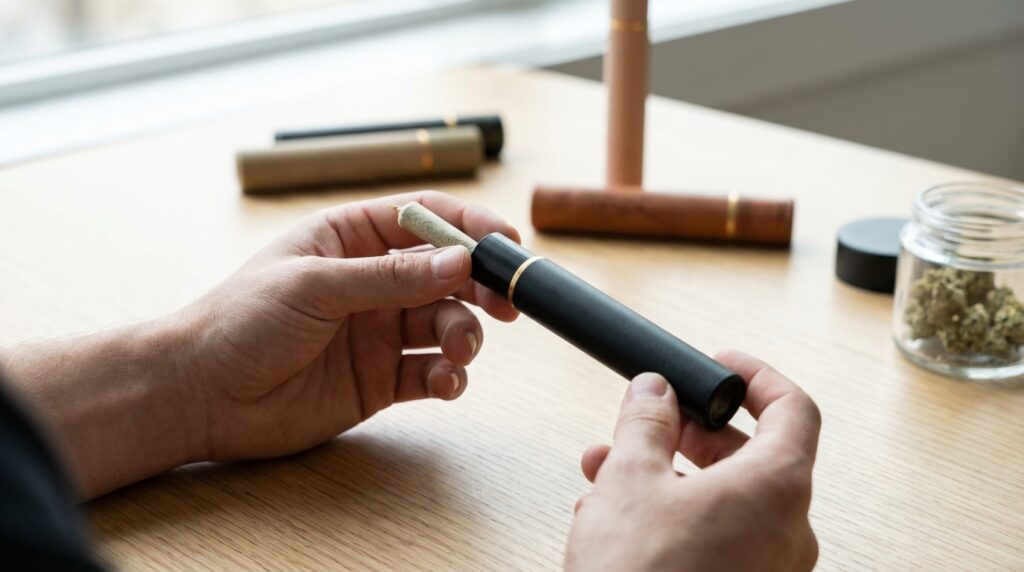
Why the tube matters more than the joint
Pre-rolls are not short of competition in 2026. Most brands still ship something decent. The real separation sits in the first ten seconds of handling.
A custom pre-roll tube is not “just packaging”. It sets expectation on strength, flavour, cleanliness, even discretion. If it feels flimsy then people assume the roll inside was rushed.
I see the same mistake in shops that pride themselves on premium flower. They present a top shelf pre-roll in a rattly tube with a cheap label. That mismatch kills trust.
Custom tubes also let you engineer a repeatable ritual. Twist. Pop. Crack. A clean hiss from a tight seal is a tiny moment. Customers remember it.
Choosing the base tube without lying to yourself
The tube choice is mostly boring physics. It’s about crush resistance, odour control, weight, price. It’s also about what your staff can live with on a busy till.
Plastic pop tops still dominate for a reason. They’re light. They survive courier abuse. They stack well in drawers.
Glass has its place. It looks grown up on a counter. It also breaks if you pretend your fulfilment process is gentler than it is.
Aluminium can feel premium without the fragility. It also shows dents. A dented tube reads as mishandled stock.
Paper based tubes can work for short shelf life drops. They need proper lining if you care about aroma control. Many brands skip that step then blame the paper.
If you want a sensible overview of tube types plus common formats, start with D.C. Packaging’s guide. It is a decent baseline before you ask suppliers for quotes.
Closures, compliance, trust
Child resistant is not a “nice to have” in regulated markets during 2026. It’s table stakes. If your tube is not compliant then your product becomes a liability.
Tamper evidence matters just as much at retail. A shrink band plus a clean tear line is low cost reassurance. It also reduces staff arguments at returns.
Don’t treat labelling as an afterthought. Customers read warnings. They also read dosage. If the tube has no space for clear information then the design is wrong.
Many brands now standardise a label grid. They keep strain name, potency, batch code, pack date in fixed zones. That keeps compliance tidy across multiple SKUs.
For brand recognition basics plus practical customisation routes, MarijuanaPackaging’s customisation guide is useful. Ignore the hype lines. Focus on the production constraints.
Freshness engineering that customers can feel
A tube is a micro climate. It can preserve terpenes. It can also turn your pre-roll into dry paper if you use the wrong insert or a poor seal.
Odour control is the obvious part. The less obvious part is preventing flavour loss over weeks on shelf. A tighter closure reduces aroma bleed. That also helps with stockroom discretion.
Crush resistance is not glamorous. It stops bent tips. It stops loose fill. It also stops the customer thinking your cones were packed on a Monday morning.
If you’re scaling production then consistency starts before packaging. Cone choice, grind, humidity, packing pressure all show up at the tube stage. Custom Cones USA’s manufacturing notes are a solid refresher.
My rule is simple. If you sell “fresh” as a promise then you need an internal freshness programme. Put a pack date on the tube. Train staff to rotate.
In January 2026 I noticed more shops using small freshness inserts for multi packs. The execution varies. Some brands overdo it then the tube feels overstuffed.
- Pack date printed on every unit
- Simple batch code that staff can explain
- Seal that gives a clean opening sound
- Enough headspace to avoid crushed tips
Print, finish, touch: where most brands get it wrong
Matte black with gold foil is everywhere in 2026. It looks tired. It also makes every new drop feel like a copy of the last one.
Texture does more than colour. Soft touch feels premium. It also shows fingerprints. Gloss can look cheap. It can also look sharp on bright designs.
Spot UV is effective when it’s restrained. Use it for a mark or a small icon. If you coat half the label then it feels like a nightclub flyer.
Direct printing on the tube can be cleaner than labels. It avoids edge lift. It can raise costs if you need several variants.
Labels are still the sensible route for most operators. They allow smaller runs. They also make compliance edits less painful.
For a list of popular finishing techniques plus trend ideas, The Custom Boxes has a broad roundup. Treat it as a menu. Don’t order everything.
Designing “unique” without gimmicks
Uniqueness comes from decisions that a customer can name. It’s not about novelty for its own sake. Most gimmicks age badly.
QR codes are fine when they lead to lab results or batch notes. They’re pointless when they lead to a generic homepage. Customers feel that bait switch.
NFC tags can be smart in premium drops. They also add cost. They also break supply chains when one component is delayed.
The better play is clarity. Use a consistent naming system. Use strong strain cues. Put the experience promise in plain English.
If you want a practical view of tube options plus custom routes, Custom 420’s custom tube page shows the mainstream formats. It’s the kind of reference you can share with a designer.
My favourite designs in shops at the moment are boring in the right way. One strong colour. One icon. A readable strain name at arm’s length.
- One hero colour per line
- Large strain name that reads fast
- Clear potency display
- Short flavour note that feels honest
Storytelling in 98mm: what you can fit on a tube
A pre-roll tube is a narrow canvas. That limitation is useful. It forces you to say the important parts.
Start with the buying triggers. Strain name. Type. Potency. Pack date. Everything else is secondary.
Then decide the voice. If you position as connoisseur then write like one. If you position as approachable then stop copying wine labels.
Put the human details where staff can point to them. “Hand trimmed” is vague. “Small batch. Packed 14 January 2026” feels real.
Avoid flavour poetry that overpromises. Customers hate being told they will taste mango ice cream if the profile is just citrus plus pine. Mild scepticism is healthier.
If you do collaborations then treat the tube like a ticket stub. Add a drop number. Add a simple date. Make it collectible without calling it collectible.
Production reality in 2026: costs, MOQs, lead times
Custom packaging runs on planning. If you leave it late then you pay for it. A price rise in freight can wipe out your margin.
Labels can move quickly. Fully custom moulded tubes move slowly. Decide which part of your range deserves the long lead time.
Most growing brands use a hybrid approach in 2026. They standardise one tube size. They vary labels per strain. They reserve premium tubes for limited drops.
The figures below are typical example quote ranges in the UK market during 2026. Treat them as planning numbers. Ask suppliers for firm pricing.
| Tube route | Typical MOQ | Example unit cost | Typical lead time |
|---|---|---|---|
| Stock plastic pop top with custom label | 1,000 | £0.18 to £0.42 | 2 to 4 weeks |
| Stock child resistant tube with shrink band plus label | 2,500 | £0.28 to £0.58 | 3 to 6 weeks |
| Custom printed tube body | 5,000 | £0.45 to £0.95 | 6 to 10 weeks |
| Glass tube with custom label plus premium cap | 1,000 | £0.90 to £2.20 | 4 to 8 weeks |
Build a buffer for approvals. Expect two rounds. If your artwork has tiny text then expect three.
Also budget for failure. Labels arrive mis cut sometimes. Caps arrive a shade off sometimes. That’s normal. Plan spare stock at 3% to 7%.
Retail execution: shelf impact plus staff workflow
Retail is where “unique experience” becomes practical. Your tube has to look good in a tray. It also has to scan quickly.
If barcodes wrap around corners then tills slow down. If strain names are small then staff mis pick. Those errors are expensive in time.
Think about storage. A tube that rolls is a nuisance. A tube that stacks is money. It speeds replenishment. It keeps displays tidy.
Then think about smell management. Staff appreciate tubes that don’t stink up the back room. Customers appreciate discretion in a shopping bag.
I also favour tubes that open cleanly. Over tight child resistant caps frustrate genuine customers. Under tight caps invite complaints. There’s a sweet spot.
A final UK note for 2026. Recreational cannabis sales remain restricted in the UK. Most of this packaging advice applies to licensed operators abroad plus compliant CBD retail.
The standards are still worth copying. Clear warnings. Clear batch detail. Clear disposal guidance. It makes your brand feel serious.
