
Uncategorized
Navigating the World of Cannabis Packaging for Small Businesses
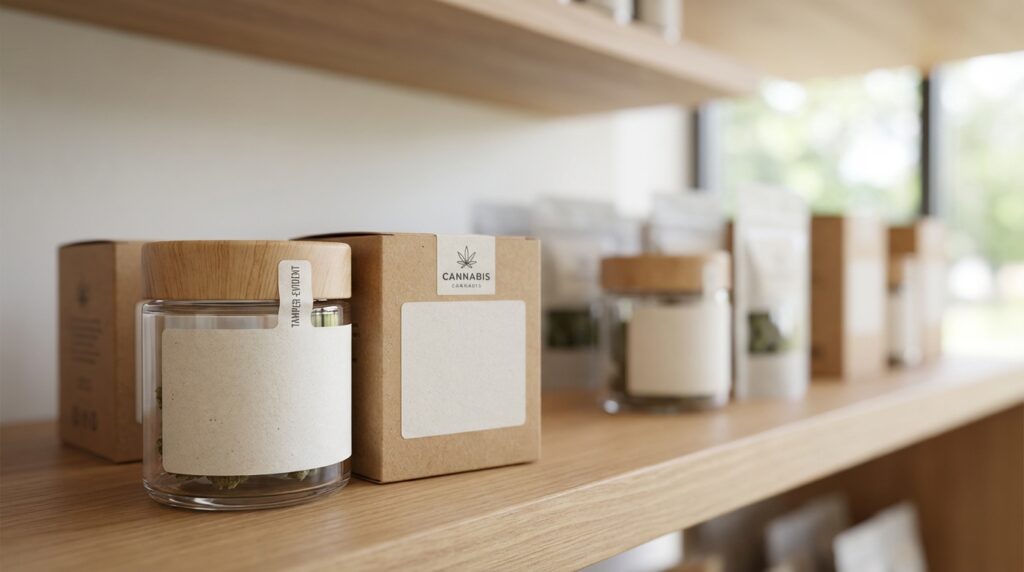
Jan
Packaging is your licence to sell
Small cannabis brands still treat packaging like a last-minute print job. That attitude gets exposed fast on a dispensary shelf. Packaging is compliance first. It’s product protection second. It’s branding after that. (eaglebottle.com)
In January 2026, inspectors are not impressed by a lovely logo. They want child-resistant performance, tamper evidence, clear labelling, plus packaging that doesn’t mimic sweets. Miss any one of those. You can lose weeks to relabelling. (eaglebottle.com)
I see the same pattern in small operators from Shoreditch wellness retail through to California flower brands. The pack looks premium. The closure fails. The label copy is wrong by one line. The whole batch becomes a problem. (eaglebottle.com)
This isn’t glamorous work.
Start with compliance. Not mood boards
Most legal markets in 2026 demand child-resistant packaging. A lot also expect tamper-evident features. That’s the baseline. Your brand colours aren’t. (eaglebottle.com)
Child-resistant isn’t a vague promise on a product page. In testing tied to the Poison Prevention Packaging Act, 85% of children aged 3 to 4 must be unable to open within 5 minutes. 90% of adults must open and reseal within 5 minutes. That’s a real bar. (innorhino.com)
Tamper-evident means visible damage on first opening. Think seals, bands, liners, tear notches. Regulators also look hard at edibles. Opaque packaging is a frequent requirement. (rogowaylaw.com)
- Child-resistant closure with test evidence
- Tamper-evident first open
- Resealable pack for multi-serve
- Opaque edibles where required
Pick the format for the product. Not the Instagram shot
Flower is still split between glass jars and flexible bags. Jars read premium. They protect well. They also cost more to ship. (innorhino.com)
Mylar pouches are the practical option for small businesses. They travel well. They print well. They can include resealable zips plus child-resistant mechanisms. (innorhino.com)
Pre-rolls behave differently. Tubes reduce crush damage. They also keep odour contained. Concentrates need non-stick containers plus tamper evidence. (eaglebottle.com)
For edibles, assume more scrutiny. Avoid anything that looks like a Haribo knock-off. Keep the pack opaque when the rules require it. (eaglebottle.com)
| Format | Best for | Indicative unit cost in the UK in January 2026 | Small-batch reality | Compliance watch-outs |
|---|---|---|---|---|
| Glass jar with CRC cap | Premium flower | £0.55 to £1.40 | Higher freight cost | CRC certification. Label space gets tight fast |
| Stand-up mylar pouch with CR zip | Flower. Gummies. Small formats | £0.18 to £0.85 | Easy to scale from 500 units | Seal integrity. Odour barrier. Tear notch can be your tamper cue |
| Pre-roll tube in paperboard box | Singles. Multipacks | £0.22 to £0.95 | Boxes add perceived value | Don’t block required warning text with embossing |
| Dropper bottle with restricted flow insert | Tinctures. Oils | £0.40 to £1.60 | Component sourcing can slow you down | Restricted flow is often expected for dose control products |
Labels that survive inspections and the fridge
Your label isn’t decoration. It’s a legal document. Expect required elements such as product name, universal cannabis symbol, net weight, THC and CBD values, plus ingredient lists. (eaglebottle.com)
Legibility is where small brands trip. A common minimum cited is text no smaller than 6 point or 1/16 inch. That’s before you add marketing copy. (eaglebottle.com)
State rules vary. That’s the point. You can’t “template” your way out of it. Always check the exact local requirements. Expect frequent tweaks through 2026. (hellomonet.com)
QR codes are useful when they serve a compliance purpose. Link to your COA. Keep the printed potency info readable. Don’t hide behind the QR. (innorhino.com)
Sourcing in 2026: local printers, China, plus the awkward middle
Small businesses usually sit between two worlds. UK and EU suppliers offer speed plus easier communication. Overseas suppliers offer sharper unit pricing. The trap is choosing on unit price alone. (oreateai.com)
If you source flexible packaging from China, there are clear manufacturing clusters. Guangdong is one. Shenzhen and Dongguan come up often. Zhejiang and Shandong also show up in supplier searches for cannabis bags. (oreateai.com)
Ask for quality assurance proof. ISO 9001 is a common baseline request. Material compliance matters too. Many suppliers reference FDA or EU guidelines for substrates. Don’t accept hand-waving. (oreateai.com)
Communication speed is a real KPI. Logistics capability matters as well. Freight forwarder relationships can save you during customs delays. This is boring work. It’s also the work that keeps you stocked. (oreateai.com)
Small-run economics: where the money actually goes
Small brands bleed cash through packaging indecision. They switch formats midstream. They change finishes after proofs. They ignore minimum order quantities until the invoice lands.
At the moment, the smartest move for most start-ups is a simple combination. Use a compliant stock pack. Add a high quality custom label. Packhelp pushes this direction with small minimums such as 250 custom labels. They list a classic product box minimum of 30 units. (packhelp.co.uk)
There’s also real money in supplier services beyond print. Packhelp highlights a CBD case study where a brand lowered packaging costs by over 25% using their products and services. That’s the kind of saving that funds a new SKU. (packhelp.co.uk)
Watch for seasonal deals in 2026. Packhelp has run a new year offer at 12% off with a code. I wouldn’t build a budget on discounts. I’d take them when they appear. (packhelp.co.uk)
- Fewer pack sizes. More volume per size
- One label shape across a line
- Skip foils until you have repeat orders
- Design once. Don’t “refresh” every month
Sustainability without green theatre
Sustainability isn’t a label claim. It’s design decisions plus end-of-life reality. Glass, metal, paperboard can be better choices when they suit the product. (innorhino.com)
Child-resistant formats can still be responsible. The route is design for disassembly. Let people separate the CR component from the recyclable body. Add clear icons or a QR for disposal guidance. (innorhino.com)
Refill programmes are growing in 2026 for brands with loyal local customers. Reusable jars and tins can work. Incentives matter. Take-back schemes need a plan for cleaning and compliance. (innorhino.com)
Extended Producer Responsibility pressure isn’t going away. If you sell across regions, plan for packaging reporting duties. Your “nice” pack can become a paperwork burden. (innorhino.com)
An operating checklist that saves your Friday afternoon
Documentation is part of the product. Keep your test reports plus compliance evidence. A cited expectation is maintaining reports for a minimum of 5 years. (innorhino.com)
Build a basic internal control system in 2026. Log label versions. Lock artwork files. Track which batch used which label. This is how you survive a complaint.
If you do one thing this quarter, do this. Print a master compliance checklist per state. Keep it beside the label printer. (hellomonet.com)
- Incoming pack inspection. Every delivery
- Two-person label proof sign-off
- One approved supplier per format
- Monthly compliance review
If you want a simple marker for how serious this has become, look at the compliance content now dated in January 2026 from packaging suppliers. They’re writing about regulations because brands keep getting caught out. (eaglebottle.com)
Get the packaging right. Then spend your energy on product. That’s the order that works in 2026. (eaglebottle.com)
Reference sources used: Oreate AI Blog, INNORHINO, Packhelp UK, Eagle Bottle, Hello Monet.
